Custom Cabinetry: Transform Your Home with Quality
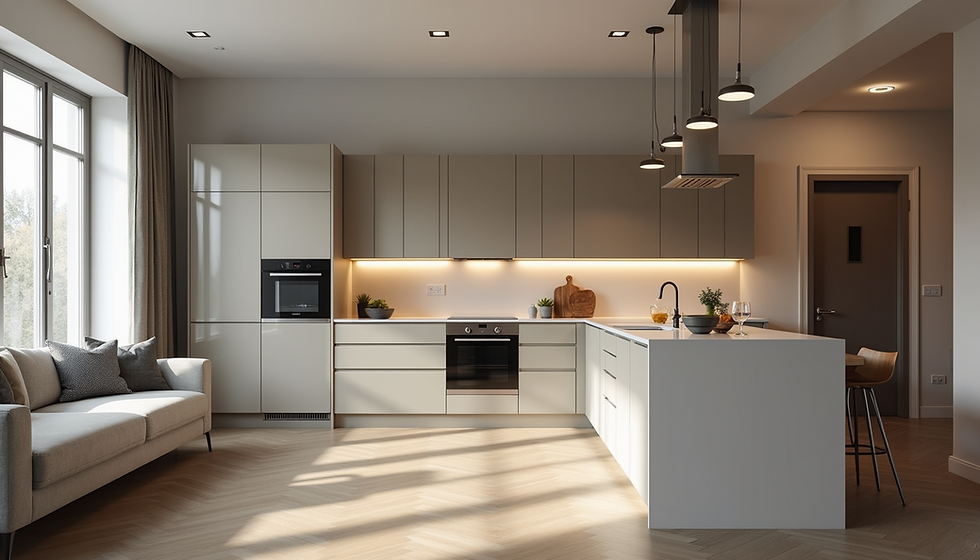
Custom cabinetry can be a game-changer for your home. It not only enhances the aesthetic appeal but also maximizes functionality. Whether you are renovating your kitchen, bathroom, or any other space, investing in quality custom cabinetry can significantly elevate your living environment. In this blog post, we will explore the benefits of custom cabinetry, the design process, and tips for choosing the right cabinetry for your home.

The Benefits of Custom Cabinetry
Tailored to Your Needs
One of the primary advantages of custom cabinetry is that it is designed specifically for your space and needs. Unlike pre-made cabinets, custom options allow you to:
Choose dimensions that fit your unique space perfectly.
Select materials that match your style and budget.
Incorporate features like pull-out shelves, built-in lighting, and specialized compartments.
This level of customization ensures that every inch of your cabinetry is utilized effectively, making your home more functional.
Quality Craftsmanship
When you opt for custom cabinetry, you are investing in quality craftsmanship. Skilled artisans take the time to create cabinets that are not only beautiful but also durable. Here are some aspects of quality craftsmanship to consider:
Material Selection: High-quality wood, plywood, or MDF can be used based on your preferences.
Joinery Techniques: Techniques like dovetail joints or mortise-and-tenon joints enhance durability.
Finishing Touches: Custom finishes can be applied to match your home’s decor.
Increased Home Value
Custom cabinetry can significantly increase the value of your home. Potential buyers often look for unique features that set a home apart. High-quality, custom-built cabinets can be a strong selling point. According to a report by the National Association of Realtors, kitchen remodels, including cabinetry upgrades, can return up to 80% of the investment when selling your home.
The Design Process
Initial Consultation
The design process begins with an initial consultation. During this meeting, you will discuss your vision, needs, and budget with a designer. Here are some key points to cover:
Style Preferences: Traditional, modern, rustic, or eclectic?
Functionality Needs: What do you need the cabinetry to do? Storage, display, or both?
Budget Constraints: Establish a budget to guide the design process.
Design Development
Once the initial consultation is complete, the designer will create a detailed plan. This may include:
3D Renderings: Visual representations of how the cabinetry will look in your space.
Material Samples: Options for wood, finishes, and hardware.
Layout Plans: Detailed drawings showing the placement and dimensions of the cabinetry.
Finalization and Installation
After reviewing and finalizing the design, the cabinetry will be built. The installation process typically involves:
Site Preparation: Ensuring the area is ready for installation.
Cabinet Assembly: Assembling the cabinets on-site or delivering pre-assembled units.
Final Touches: Adding hardware, adjusting doors, and ensuring everything is level.
Choosing the Right Cabinetry
Consider Your Space
When selecting custom cabinetry, consider the specific characteristics of your space. For example:
Kitchen: Focus on maximizing storage and functionality. Consider features like lazy Susans or pull-out pantry shelves.
Bathroom: Look for cabinetry that provides ample storage for toiletries and towels while maintaining a sleek appearance.
Living Room: Custom built-ins can enhance the aesthetic and provide storage for books, electronics, and decor.
Material Selection
Choosing the right materials is crucial for both aesthetics and durability. Here are some popular options:
Hardwood: Offers beauty and durability. Common types include oak, maple, and cherry.
Plywood: A cost-effective alternative that is strong and resistant to warping.
MDF: Ideal for painted finishes, MDF is smooth and affordable.
Hardware and Finishes
The finishing touches can make a significant difference in the overall look of your cabinetry. Consider:
Hardware Styles: Knobs, pulls, and hinges come in various styles and finishes. Choose ones that complement your cabinetry.
Paint and Stain Options: Decide whether you want a natural wood finish or a painted look. Each option has its own appeal.
Maintenance Tips for Custom Cabinetry
To keep your custom cabinetry looking its best, follow these maintenance tips:
Regular Cleaning: Use a soft cloth and mild soap to clean surfaces. Avoid harsh chemicals that can damage finishes.
Avoid Excess Moisture: Keep cabinetry dry, especially in areas like kitchens and bathrooms.
Inspect Hardware: Periodically check and tighten hardware to ensure everything is secure.
Conclusion
Custom cabinetry is more than just storage; it is an investment in your home’s beauty and functionality. By understanding the benefits, design process, and maintenance tips, you can make informed decisions that will transform your living space. Whether you are looking to enhance your kitchen, bathroom, or any other area, quality custom cabinetry can provide the perfect solution.
Take the first step towards transforming your home by exploring custom cabinetry options today. Your dream space is just a design away!

Comments